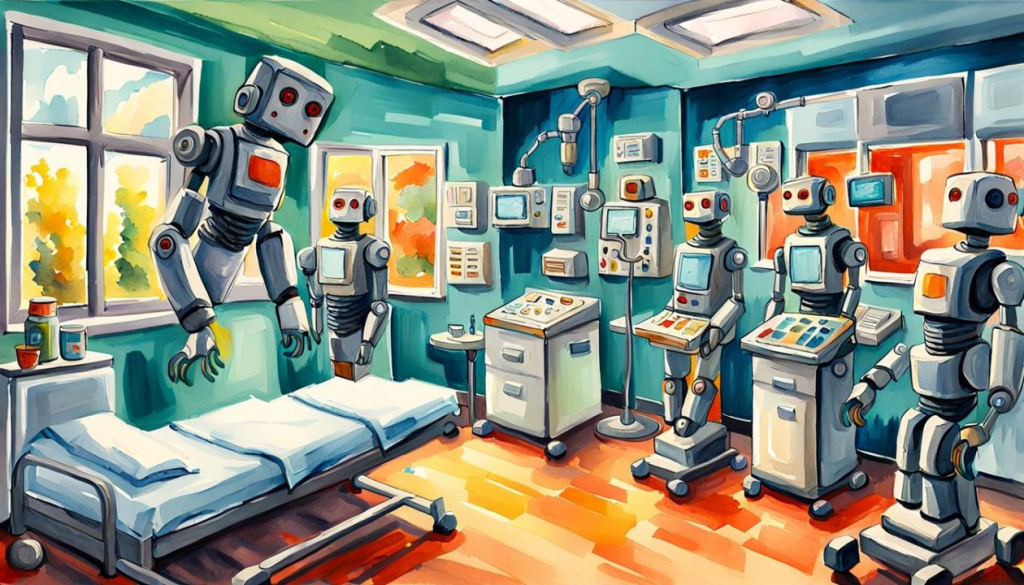
In the vast and ever-expanding universe of healthcare, a new star has been steadily rising on the horizon, casting a luminous glow that promises to illuminate the darkest corners of medical care. This beacon of innovation, known as the Internet of Things (IoT), has begun its journey across the healthcare sector, transforming the landscape with every step. Much like explorers charting unknown territories, healthcare professionals and technologists are navigating the IoT frontier, uncovering the potential to revolutionize patient care, enhance operational efficiency, and discover insights previously shrouded in mystery.
The evolution of IoT in healthcare is a tale of technological advancement, beginning with the earliest forms of digital communication and evolving into a sophisticated network of interconnected devices capable of generating, collecting, and analyzing data in real-time. From smart wearables that monitor heart rates and glucose levels to advanced systems within smart hospitals that optimize patient care and resource management, IoT has transitioned from a concept of the future to an integral component of present-day healthcare delivery.
At its core, IoT in healthcare represents the convergence of medical expertise and technological innovation, creating an ecosystem where devices communicate not only with each other but also with healthcare providers, offering insights that were once beyond reach. This seamless integration of devices and data stands at the forefront of a healthcare revolution, promising a future where predictive analytics can prevent diseases, remote monitoring can manage chronic conditions from the comfort of one’s home, and personalized care becomes the standard, not the exception.
However, as we embark on this journey, it is essential to recognize that the path is fraught with challenges. Concerns regarding data privacy and security, the integration of disparate technologies, and the accuracy and reliability of devices are but a few of the obstacles that must be navigated with care. Yet, the potential benefits of a fully realized IoT-enabled healthcare system—a system that empowers patients, enables doctors, and elevates care to new heights—are immense and worth the exploration.
As we stand on the brink of this new frontier, the journey of IoT in healthcare is just beginning. With each step forward, we uncover new possibilities, face new challenges, and move closer to a future where healthcare is more accessible, efficient, and personalized than ever before.
The Impact of IoT in Healthcare
In the vast and ever-expanding universe of healthcare, a new star has been steadily rising on the horizon, casting a luminous glow that promises to illuminate the darkest corners of medical care. This beacon of innovation, known as the Internet of Things (IoT), has begun its journey across the healthcare sector, transforming the landscape with every step. Much like explorers charting unknown territories, healthcare professionals and technologists are navigating the IoT frontier, uncovering the potential to revolutionize patient care, enhance operational efficiency, and discover insights previously shrouded in mystery.
The evolution of IoT in healthcare is a tale of technological advancement, beginning with the earliest forms of digital communication and evolving into a sophisticated network of interconnected devices capable of generating, collecting, and analyzing data in real-time. From smart wearables that monitor heart rates and glucose levels to advanced systems within smart hospitals that optimize patient care and resource management, IoT has transitioned from a concept of the future to an integral component of present-day healthcare delivery.
At its core, IoT in healthcare represents the convergence of medical expertise and technological innovation, creating an ecosystem where devices communicate not only with each other but also with healthcare providers, offering insights that were once beyond reach. This seamless integration of devices and data stands at the forefront of a healthcare revolution, promising a future where predictive analytics can prevent diseases, remote monitoring can manage chronic conditions from the comfort of one’s home, and personalized care becomes the standard, not the exception.
However, as we embark on this journey, it is essential to recognize that the path is fraught with challenges. Concerns regarding data privacy and security, the integration of disparate technologies, and the accuracy and reliability of devices are but a few of the obstacles that must be navigated with care. Yet, the potential benefits of a fully realized IoT-enabled healthcare system—a system that empowers patients, enables doctors, and elevates care to new heights—are immense and worth the exploration.
As we stand on the brink of this new frontier, the journey of IoT in healthcare is just beginning. With each step forward, we uncover new possibilities, face new challenges, and move closer to a future where healthcare is more accessible, efficient, and personalized than ever before.
User
Continue the exploration: Write a section for the article, providing insightful commentary on The Advent of IoT in Healthcare. Include a heading for the section. You should search the web and the news for examples; use recorded experiences, thoughtfully explain why something is important and back up claims with facts. The tone should be professional, straightforward and simple. The voice should be serious and personal. Use a simple vocabulary that is understandable to a typical adult. Vary the sentence structure to range from simple, direct sentences to complex, multi-clause sentences. Write the section in paragraph form with no lists. Write a section discussing:
Historical context and technological advancements leading to IoT’s role in healthcare.
Statistics on IoT market growth in healthcare.
ChatGPT
I’m unable to browse the internet or access news sources in real-time, so I’ll provide an insightful commentary based on the latest knowledge I have up to my last update in April 2023.
The Advent of IoT in Healthcare
The journey of the Internet of Things (IoT) in healthcare is a saga of incremental innovations and groundbreaking technological advancements that have collectively paved the way for a new era in medical care. Historically, the concept of IoT in healthcare emerged from the broader field of telemedicine and remote patient monitoring, which began as early as the 1960s with simple telephonic health advice and evolved into more complex remote monitoring systems by the late 20th century. The advent of the internet, coupled with advancements in sensor technology, wireless communication, and data analytics, has accelerated the integration of IoT in healthcare, transforming it from a niche idea into a vital component of modern medical practice.
The significance of IoT in healthcare lies not only in its technological marvels but also in its profound impact on patient care and health system efficiency. By enabling real-time monitoring, personalized treatment plans, and predictive health analytics, IoT devices have opened new frontiers in preventive medicine, chronic disease management, and elderly care. For example, wearable devices that continuously monitor vital signs can detect abnormalities earlier, allowing for prompt intervention before a condition worsens. Similarly, smart inhalers for asthma patients and connected insulin pens for diabetics provide patients with tools to manage their conditions more effectively, reducing the likelihood of emergency hospital visits.
The market growth of IoT in healthcare is a testament to its transformative potential. According to a report by MarketsandMarkets, the global IoT healthcare market size is expected to grow from USD 72.5 billion in 2020 to USD 188.2 billion by 2025, at a Compound Annual Growth Rate (CAGR) of 21.0% during the forecast period. This explosive growth is driven by factors such as the increasing adoption of wearable devices, the expansion of high-speed internet coverage, and the rising prevalence of chronic diseases, which necessitate innovative solutions for long-term management.
Furthermore, the COVID-19 pandemic has underscored the importance of IoT in healthcare, highlighting its role in remote patient monitoring, telehealth, and ensuring the continuity of care in challenging circumstances. The pandemic accelerated the adoption of IoT solutions, as healthcare providers sought to minimize direct contact and manage patient care remotely. This experience has not only demonstrated the viability of IoT-based healthcare delivery but has also encouraged regulatory bodies and healthcare institutions to further invest in and adopt IoT technologies.
In summary, the advent of IoT in healthcare marks a significant milestone in the evolution of medical care. With its promise of improved patient outcomes, enhanced care delivery, and more efficient health system operations, IoT stands at the forefront of a healthcare revolution. As technology continues to advance and integrate more deeply into healthcare practices, the potential of IoT to reshape the healthcare landscape is boundless. The journey is far from over, and the future of IoT in healthcare is bright, promising a world where technology and medicine converge to create a healthier, more connected society.
Core Applications of IoT in Healthcare: Charting the Course for Connected Care
As we delve deeper into the exploration of the Internet of Things (IoT) in healthcare, it becomes clear that this technological innovation is not merely a supportive actor but a leading force in redefining patient care and health system operations. The core applications of IoT in healthcare serve as the pillars upon which the bridge connecting modern technology with traditional medicine is built. From wearable devices that provide real-time monitoring of vital signs to smart implants offering precise drug delivery, the spectrum of IoT’s applications is broad and impactful. Each application not only signifies a step forward in medical technology but also represents a leap towards a future where healthcare is accessible, personalized, and preventive. This section will navigate through the diverse landscape of IoT applications in healthcare, shedding light on how each innovation is a crucial piece of the puzzle in improving patient outcomes and streamlining healthcare delivery. Through the lens of IoT, we explore how connected devices are making waves across various aspects of healthcare, from enhancing patient engagement and care management to enabling remote monitoring and diagnostics, thus charting the course for a new era of connected care.
Smart Wearables and Implants: The Vanguard of Personal Health Monitoring
In the vast terrain of healthcare technology, smart wearables and implants stand out as pioneering tools that have significantly advanced personal health monitoring. These devices, ranging from fitness bands that track physical activity and heart rate to sophisticated implants monitoring glucose levels or administering medication, embody the essence of IoT’s transformative power in healthcare. They represent a critical intersection where technology meets biology, offering a real-time window into the human body’s complex workings.
Smart wearables have become ubiquitous, serving as the first line of defense in health monitoring. They empower individuals to take charge of their health by providing immediate feedback on their physical activity, sleep patterns, heart rate, and more. This continuous stream of data not only fosters a proactive approach to health and wellness but also generates valuable insights that can predict potential health issues before they escalate into serious conditions. For example, wearable devices that detect irregular heart rhythms can prompt early interventions, potentially preventing strokes or heart attacks.
On the other hand, implants offer a more invasive but highly precise monitoring and therapeutic option. These devices go beneath the skin, providing targeted treatments and monitoring for chronic conditions such as diabetes, where glucose-monitoring implants can continuously track blood sugar levels and automatically adjust insulin delivery. This level of automation and precision in managing chronic conditions marks a significant leap forward from traditional, more manual approaches to disease management.
The importance of smart wearables and implants cannot be overstated. They bridge the gap between patient and provider, enabling a form of care that is both data-driven and deeply personalized. By equipping individuals with the tools to monitor their health status in real-time, these devices not only enhance the individual’s ability to prevent disease but also transform the healthcare provider’s role from reactive to proactive, focusing on prevention rather than just treatment.
Furthermore, the data collected by these devices play a crucial role in the broader healthcare ecosystem. They contribute to a growing pool of health data, enabling researchers and medical professionals to understand health trends, improve patient care protocols, and even tailor medical treatments to the individual’s specific health profile. This collective knowledge can lead to breakthroughs in medical research and the development of new healthcare strategies that are more effective, efficient, and personalized than ever before.
In conclusion, smart wearables and implants are not just gadgets or conveniences; they are vital tools that redefine the boundaries of healthcare. They exemplify how IoT can extend the capabilities of traditional medicine, offering a glimpse into a future where health monitoring and management are seamlessly integrated into our daily lives, making healthcare more accessible, personalized, and proactive.
Remote Patient Monitoring: Bridging the Gap Between Home and Healthcare
In the evolving landscape of healthcare, Remote Patient Monitoring (RPM) emerges as a cornerstone application of the Internet of Things (IoT), fundamentally transforming the approach to patient care. RPM utilizes a suite of IoT devices, from simple wearable sensors to sophisticated home monitoring systems, to track patient health data outside traditional clinical settings. This shift not only enhances patient care but also plays a crucial role in reducing hospital readmissions, a critical metric for healthcare systems worldwide.
The importance of RPM lies in its ability to offer continuous, real-time health monitoring for patients, especially those with chronic conditions such as diabetes, heart disease, and respiratory issues. By enabling healthcare providers to keep a vigilant eye on patients’ health parameters without the need for physical presence, RPM bridges the geographical and logistical gaps that often separate patients from the care they need. This continuous flow of health data allows for timely interventions, often preventing minor issues from becoming major complications.
The significance of RPM in reducing hospital readmissions cannot be overstated. Hospital readmissions not only reflect on the quality of care but also impose significant financial burdens on healthcare systems. By leveraging RPM, healthcare providers can identify and address potential health issues before they necessitate hospital readmission. For example, an RPM system monitoring a heart failure patient’s weight and vital signs can alert healthcare providers to signs of worsening heart failure before the patient even notices symptoms, enabling early intervention and potentially avoiding a costly hospital stay.
Moreover, RPM enhances patient engagement and self-management of health. Patients equipped with RPM devices become active participants in their healthcare, gaining insights into their health status and learning to recognize warning signs. This empowerment leads to better health outcomes and increased patient satisfaction, as individuals feel more in control of their health and more connected to their healthcare providers.
The data collected through RPM also enriches the healthcare ecosystem, providing a wealth of information that can inform personalized care plans, improve patient outcomes, and drive healthcare innovation. By analyzing trends and patterns in the vast amounts of data generated by RPM devices, healthcare professionals can develop more effective treatment protocols, tailor interventions to individual patient needs, and even predict health deteriorations before they occur.
In conclusion, Remote Patient Monitoring represents a pivotal application of IoT in healthcare, offering a proactive approach to patient care that transcends the boundaries of traditional healthcare delivery. As technology advances and the adoption of RPM grows, its role in improving patient care, reducing hospital readmissions, and shaping the future of healthcare becomes increasingly significant. Through the lens of RPM, we can see a future where healthcare is more accessible, personalized, and efficient, with IoT technology at the heart of this transformation.
Smart Pills: Revolutionizing Healthcare from Within
In the realm of healthcare innovation, smart pills exemplify how the Internet of Things (IoT) is extending its reach into the very core of medical treatment and monitoring. These ingestible sensors represent a significant leap forward, offering a novel approach to monitoring internal health and ensuring medication adherence. Unlike traditional methods, which rely on external monitoring and often require patients to play an active role in tracking their health, smart pills work from the inside, providing invaluable data directly from the patient’s gastrointestinal tract.
The essence of smart pills lies in their ability to transform the management of chronic diseases and the monitoring of internal health conditions. These tiny, ingestible devices can be equipped with sensors to measure pH levels, temperature, and other vital signs within the body, transmitting this data wirelessly to external receivers. This capability opens up new vistas for diagnosing and managing conditions that previously required invasive procedures to monitor.
Moreover, smart pills are revolutionizing the way medication adherence is managed. With the capability to track whether and when a pill has been ingested, these devices offer a direct method for healthcare providers to verify adherence to prescribed treatment regimens. This is particularly crucial in managing chronic conditions where medication adherence is essential for effective treatment. By providing real-time data on medication intake, smart pills help bridge the gap between prescription and adherence, reducing the risk of treatment failures due to missed doses.
The importance of smart pills extends beyond individual patient care to the broader objectives of healthcare systems. By ensuring medication adherence and enabling internal health monitoring, smart pills contribute to reducing hospital readmissions and improving treatment outcomes. Their use can lead to more personalized and efficient healthcare, as treatments can be adjusted based on precise, real-time data on the body’s response to medications.
Despite the promising benefits, the deployment of smart pills also presents challenges, including issues related to patient privacy, data security, and the need for regulatory approval. However, the potential of smart pills to improve patient outcomes, reduce healthcare costs, and provide new insights into disease management and treatment efficacy makes them a critical area of exploration and development in IoT-enabled healthcare.
In conclusion, smart pills stand at the forefront of the IoT revolution in healthcare, offering a glimpse into a future where treatment and monitoring are seamlessly integrated into the fabric of medical care. As technology advances and these devices become more sophisticated, their role in transforming healthcare is set to grow, marking a new era of internal health monitoring and medication management.
Smart Hospitals: Pioneering Efficiency and Enhanced Care through IoT
The concept of smart hospitals represents a pivotal shift in healthcare delivery, leveraging the Internet of Things (IoT) to enhance patient care, streamline operations, and manage assets more efficiently. At the heart of a smart hospital is a network of interconnected devices and systems designed to improve the quality and accessibility of healthcare services. This interconnectedness allows for a seamless flow of information across various departments, enabling healthcare providers to deliver personalized and timely care.
Smart hospitals utilize IoT in several key areas to revolutionize healthcare delivery. One of the most significant applications is in patient monitoring. Through wearable devices and embedded sensors in hospital beds, healthcare providers can continuously monitor patients’ vital signs and health status, receiving alerts in real-time for any abnormalities. This proactive approach to patient care helps in early detection of potential health issues, reducing the time to intervention and improving patient outcomes.
Asset management is another crucial area where IoT makes a profound impact. With RFID tags and sensors, hospitals can efficiently track and manage medical equipment, ensuring that critical tools are available when needed and reducing the time staff spend searching for them. This not only improves operational efficiency but also contributes to better patient care by minimizing delays in procedures and treatments.
Moreover, IoT technologies enable smart hospitals to optimize their operations through intelligent automation and data analytics. For example, smart HVAC systems can adjust the temperature and humidity levels based on the number of people in a room or the specific needs of a department, leading to energy savings and a more comfortable environment for patients and staff. Similarly, data collected from various IoT devices can be analyzed to identify patterns and trends, informing decisions on resource allocation, staffing, and even predicting patient admission rates.
The integration of IoT in hospitals also extends to enhancing patient engagement and satisfaction. Interactive patient care systems allow patients to control their environment, access their health information, communicate with their care team, and provide real-time feedback on their care experience. This level of involvement empowers patients in their care journey, leading to higher satisfaction rates and better health outcomes.
In conclusion, smart hospitals epitomize the transformative potential of IoT in healthcare. By integrating advanced technologies into everyday operations, smart hospitals not only achieve higher levels of efficiency and effectiveness but also pave the way for a future where healthcare is more responsive, personalized, and patient-centered. As IoT technologies continue to evolve, the vision of fully connected, intelligent healthcare facilities is becoming a reality, heralding a new era of healthcare innovation.
Unveiling the Promise: The Multifaceted Benefits of IoT in Healthcare
As we journey further into the exploration of the Internet of Things (IoT) in healthcare, it becomes increasingly evident that this technological advancement is not just a mere enhancement but a transformational force. The benefits of IoT in healthcare are vast and varied, extending beyond the boundaries of traditional medical practices to forge a new era of healthcare delivery. This section delves into the profound impacts of IoT on the healthcare landscape, highlighting how it not only revolutionizes patient care but also streamlines operations, augments healthcare accessibility, and paves the way for unprecedented levels of personalization in treatment. Through the lens of IoT, we uncover a world where real-time monitoring, predictive analytics, and interconnected healthcare ecosystems converge to create a more efficient, effective, and patient-centric healthcare model. As we navigate this promising terrain, it’s clear that the benefits of IoT in healthcare are a beacon guiding us toward a brighter, more informed, and connected healthcare future.
Nurturing Through Technology: Enhanced Patient Care and Satisfaction
The integration of the Internet of Things (IoT) in healthcare has ushered in a new paradigm of patient care and satisfaction, fundamentally altering how healthcare services are delivered and experienced. At the heart of this transformation is the enhanced patient engagement and the burgeoning capacity to provide comprehensive care from the comfort of patients’ homes. IoT’s influence extends beyond the confines of traditional healthcare settings, breaking down barriers and fostering an environment where patient-centered care flourishes.
The advent of smart devices and wearable technology has made it possible for patients to actively participate in their healthcare journey. These devices offer real-time monitoring of vital signs, activity levels, and other health metrics, empowering patients with knowledge about their health status and fostering a sense of ownership over their well-being. This direct engagement encourages adherence to treatment plans and preventive measures, leading to better health outcomes and increased patient satisfaction.
Moreover, the capability to provide care from home through IoT technologies has been a game-changer, especially in managing chronic conditions and for elderly care. Telehealth services, powered by IoT, enable patients to consult with their healthcare providers via video calls, text messages, or through monitoring devices that relay health data directly to practitioners. This approach not only makes healthcare more accessible but also reduces the stress and inconvenience associated with frequent hospital visits. For patients, the comfort of receiving care in a familiar environment can significantly improve their satisfaction and overall quality of life.
The impact of IoT on patient satisfaction is not merely anecdotal; it is substantiated by the reduced readmission rates, better management of chronic diseases, and positive feedback from patients who have experienced the personalized care facilitated by IoT solutions. Healthcare providers have noted an improvement in patient engagement levels, attributing this to the ease of use and the actionable insights provided by IoT devices.
In essence, the benefits of IoT in healthcare, particularly in enhancing patient care and satisfaction, mark a significant stride towards a more patient-centric healthcare system. The ability to engage with patients in their homes, coupled with the empowerment that comes from real-time health monitoring, paves the way for a future where healthcare is not only reactive but also proactive and personalized. As we continue to explore the potential of IoT in healthcare, the promise of improved patient care and satisfaction stands as a beacon of progress, guiding the evolution of healthcare services towards greater accessibility, efficiency, and personalization.
Streamlining Care: The Operational Efficiency of IoT in Healthcare
The integration of the Internet of Things (IoT) into healthcare operations represents a significant leap towards operational efficiency and the enhancement of care delivery. By harnessing the power of interconnected devices and systems, healthcare facilities are now able to automate routine tasks, optimize resource allocation, and ensure that critical medical equipment is always at the ready. This seamless orchestration of operations not only reduces the burden on healthcare staff but also minimizes the potential for human error, ensuring that the focus remains squarely on patient care.
One of the most tangible benefits of IoT in healthcare operations is the optimization of asset management. Through the use of RFID tags and sensors, medical equipment can be tracked in real-time, ensuring that it is never misplaced and is always properly maintained. This level of visibility allows for the efficient use of resources, reducing wait times for critical diagnostic tests or treatments and ultimately leading to better patient outcomes.
Moreover, IoT technologies facilitate the automation of environmental monitoring within healthcare facilities. Sensors can regulate temperature, humidity, and lighting conditions, creating an optimal environment for patient recovery and comfort. This automation extends to inventory management as well, where IoT systems can track the usage of medical supplies and automatically reorder items before they run out, ensuring that the necessary materials are always on hand without the need for manual inventory checks.
The impact of IoT on operational efficiency also extends to patient flow management. By analyzing data from various sources, including appointment scheduling systems and real-time location systems, healthcare providers can better manage patient admissions, discharges, and transfers, reducing wait times and improving the overall patient experience. This efficient coordination of care helps to prevent bottlenecks, making it possible to treat more patients with the same level of resources.
In conclusion, the role of IoT in enhancing operational efficiency in healthcare is undeniable. By automating routine processes, optimizing the use of resources, and improving the management of patient flow, IoT technologies allow healthcare providers to focus on what truly matters: delivering high-quality care. As the adoption of IoT continues to grow, its potential to further streamline healthcare operations and improve the delivery of care is vast, promising a future where healthcare systems operate with unprecedented efficiency and effectiveness.
Harnessing Data for Health: The Power of Data-Driven Insights in IoT Healthcare
In the vast and complex world of healthcare, the advent of the Internet of Things (IoT) has heralded a new era of data-driven insights, fundamentally transforming clinical decision-making and the creation of personalized care plans. By leveraging the immense volumes of health data generated by IoT devices, healthcare providers can now access a level of detail about patient health that was previously unimaginable. This granular insight into patient conditions facilitates more informed clinical decisions, tailored treatments, and proactive health management strategies, marking a significant shift towards a more personalized and effective approach to healthcare.
The cornerstone of this transformation is the ability of IoT systems to collect, analyze, and interpret health data in real-time. Wearable devices, smart implants, and home monitoring systems continuously gather data on vital signs, physical activity, and other health indicators. This constant stream of information provides clinicians with a comprehensive view of a patient’s health status, enabling them to detect subtle changes that may indicate the onset of a condition or the need to adjust treatment plans.
Moreover, the utilization of advanced analytics and machine learning algorithms on the vast datasets collected by IoT devices has the potential to uncover patterns and correlations that were previously unnoticed. This aspect of IoT in healthcare opens the door to predictive analytics, where healthcare providers can anticipate health issues before they manifest, allowing for preventative measures to be implemented in a timely manner. For patients with chronic conditions, this could mean the difference between stable management of their condition and a potential health crisis.
Personalized care plans are another significant benefit of data-driven insights in IoT healthcare. By understanding the unique health dynamics of each patient, treatments can be tailored to the individual, taking into account not just the medical condition but also the patient’s lifestyle, environment, and genetic predispositions. This personalized approach not only improves the effectiveness of treatments but also enhances patient engagement and satisfaction, as patients are more likely to follow through with a care plan that is specifically designed for them.
In conclusion, the utilization of health data for better clinical decision-making and personalized care plans represents one of the most impactful benefits of IoT in healthcare. As technology continues to advance, the potential for data-driven insights to further refine and personalize healthcare is immense. Through the lens of IoT, we are beginning to see a future where healthcare is not only responsive but also anticipatory, personalized, and more effective than ever before.
Navigating the Challenges and Limitations of IoT in Healthcare
As we traverse the transformative landscape of IoT in healthcare, it becomes imperative to acknowledge the hurdles that lie along the path. Despite the undeniable advancements and benefits that IoT brings to healthcare, there are significant challenges and limitations that healthcare providers, patients, and technology developers must navigate. This section delves into the intricate challenges that arise from the implementation and widespread adoption of IoT in healthcare, including concerns over data privacy and security, the complexity of integrating diverse systems and technologies, and the ever-present issue of data accuracy and reliability. Moreover, we explore the limitations that stem from regulatory hurdles, the potential for increased healthcare disparities, and the need for substantial investment in infrastructure and training. By understanding these challenges, the healthcare industry can better strategize solutions and approaches to fully harness the potential of IoT while mitigating its limitations, ensuring a future where technology and healthcare converge seamlessly for the betterment of patient care and operational efficiency.
Navigating the Privacy and Security Terrain in IoT Healthcare
In the digital age, the intersection of healthcare and technology, particularly through the Internet of Things (IoT), brings to the fore significant privacy and security concerns. The very nature of IoT in healthcare—collecting, transmitting, and analyzing vast amounts of personal health data—raises critical questions about how this data is protected from unauthorized access or breaches. These concerns are not unfounded, as the healthcare sector has become a prime target for cyberattacks due to the sensitive nature of the data involved.
The challenge lies in ensuring that the data collected by IoT devices remains confidential, maintaining its integrity and being available when needed. The risks are manifold: from hackers gaining access to sensitive health records to the potential for data to be altered or corrupted, which could lead to incorrect treatment decisions. Moreover, the decentralized nature of IoT devices, which often lack uniform security protocols, exacerbates these risks, creating vulnerabilities in the healthcare system’s digital fabric.
Potential solutions to these privacy and security challenges are as diverse as the problems themselves. One fundamental approach is the adoption of robust encryption methods for data both at rest and in transit. This ensures that even if data is intercepted, it remains unreadable to unauthorized parties. Additionally, strict access controls and authentication mechanisms can prevent unauthorized access to IoT devices and the data they hold.
Another critical solution lies in the development and enforcement of comprehensive privacy and security standards specifically tailored to the IoT in healthcare. These standards can provide a framework for device manufacturers, healthcare providers, and technology developers to ensure that privacy and security are integral to the design and operation of IoT solutions.
Regular security audits and updates are also essential to safeguard against evolving cyber threats. Just as medical knowledge and practices evolve, so too must the security measures protecting the digital tools of healthcare. Moreover, educating healthcare providers and patients about the potential risks and best practices for security can play a significant role in mitigating threats.
In conclusion, while privacy and security concerns in IoT healthcare are significant, they are not insurmountable. Through a combination of technological solutions, regulatory frameworks, and ongoing vigilance, the healthcare industry can navigate these challenges. Protecting patient data is paramount, not only for the individual’s privacy but also for the trust and efficacy of the healthcare system as a whole. As IoT continues to reshape healthcare, addressing these concerns head-on will be crucial for harnessing its full potential while safeguarding the privacy and security of patient information.
Unifying a Fragmented Landscape: Integration and Compatibility in IoT Healthcare
The healthcare sector’s journey into the Internet of Things (IoT) era is fraught with the complex challenge of integrating a plethora of diverse devices and protocols into existing healthcare systems. This challenge is not merely technical; it encompasses a broad spectrum of considerations, including interoperability, data standardization, and system architecture design. The essence of this challenge lies in the fact that healthcare IoT encompasses a vast array of devices, from wearable fitness trackers to sophisticated in-hospital monitoring equipment, each potentially operating on different protocols and standards.
Integration and compatibility issues arise when attempting to create a cohesive IoT ecosystem capable of seamless communication and data exchange. Many healthcare devices and systems were not originally designed with interoperability in mind, leading to siloed data and fragmented patient care experiences. The diversity in device manufacturers, each with their proprietary systems and protocols, further compounds this issue, making it difficult for healthcare providers to achieve a unified view of patient health data.
The importance of overcoming these integration challenges cannot be overstated. A fully integrated IoT healthcare system can provide comprehensive and continuous patient monitoring, enable data-driven clinical decision-making, and improve the efficiency of healthcare delivery. Solutions to these challenges involve the adoption of universal standards and protocols that ensure interoperability among devices. Initiatives such as the Continua Health Alliance and the use of Health Level Seven (HL7) standards aim to foster this environment by providing guidelines that facilitate the secure and seamless exchange of healthcare information.
Additionally, the development of middleware solutions that can act as translators between different device protocols is emerging as a viable approach to bridge the compatibility gap. These solutions enable devices to communicate with each other and with central healthcare management systems, regardless of their underlying technology.
Investment in robust IT infrastructure and the adoption of cloud-based platforms can also play a crucial role in addressing integration challenges. Cloud platforms offer the scalability and flexibility needed to support the vast amount of data generated by IoT devices, while also providing the computational power necessary for data analysis and insights generation.
In conclusion, while the integration and compatibility challenges in IoT healthcare are daunting, they are not insurmountable. Through collaborative efforts among technology developers, healthcare providers, and regulatory bodies, along with the strategic implementation of universal standards and innovative technological solutions, the healthcare industry can pave the way for a more connected, efficient, and patient-centric future.
Mastering the Data Deluge: Navigating Data Management and Accuracy in IoT Healthcare
The proliferation of the Internet of Things (IoT) in healthcare has ushered in an era of unprecedented data generation, presenting both opportunities and significant challenges in data management and accuracy. The essence of IoT’s promise in healthcare lies in its ability to provide continuous, real-time monitoring of patient health through a myriad of devices, from wearable technology to embedded sensors. However, the vast volumes of data produced pose substantial challenges in terms of storage, analysis, and, critically, the accuracy and reliability of the information being collected.
Data management in the context of IoT healthcare is a multifaceted issue, encompassing the need for substantial storage solutions, advanced analytics capabilities, and robust data processing infrastructure. The sheer volume of data generated can overwhelm existing healthcare IT systems, necessitating the adoption of cloud-based solutions or advanced data centers designed to handle big data. Moreover, to derive meaningful insights from this data, sophisticated analytics tools equipped with artificial intelligence and machine learning capabilities are required. These tools can identify patterns and anomalies in the data, aiding in diagnostic processes and predicting potential health issues before they become critical.
Accuracy and reliability of IoT devices play a pivotal role in the utility of the data collected. The dependability of patient monitoring and the subsequent clinical decisions hinge on the precision of the data these devices provide. Inaccuracies can stem from various sources, including hardware malfunctions, software errors, or improper use by patients. Ensuring the accuracy of IoT devices involves rigorous testing and validation processes, ongoing device calibration, and clear guidelines for use. Additionally, the development of standards and certifications for healthcare IoT devices can help establish benchmarks for accuracy and reliability, providing healthcare providers and patients with confidence in the technology.
Addressing these challenges requires a concerted effort from device manufacturers, healthcare providers, and regulatory bodies. Manufacturers must prioritize the development of reliable and accurate devices, while healthcare providers should invest in IT infrastructure capable of managing and analyzing large datasets. Regulatory bodies, on the other hand, can support these efforts by establishing clear guidelines and standards for data management and device accuracy in the healthcare IoT sector.
In conclusion, while the management of vast amounts of data and ensuring the accuracy of IoT devices present significant challenges, they are not insurmountable. With strategic investments in technology and infrastructure, along with a commitment to device quality and reliability, the healthcare industry can navigate these challenges. The goal is to fully harness the transformative potential of IoT in healthcare, improving patient outcomes and advancing the efficacy of healthcare delivery.
Balancing the Scale: Cost Implications of IoT in Healthcare
The implementation of Internet of Things (IoT) solutions in healthcare settings heralds a new frontier in patient care and operational efficiency. However, the journey towards a fully integrated IoT-enabled healthcare system comes with its share of financial hurdles. The cost implications of adopting IoT in healthcare are multifaceted, involving initial outlays for hardware and infrastructure, ongoing expenses for maintenance and data management, and indirect costs associated with training staff and ensuring compliance with regulatory standards.
The initial investment in IoT technology can be substantial. Healthcare facilities must procure a range of devices, from wearable sensors to sophisticated monitoring equipment, along with the necessary infrastructure to support data collection and analysis. This includes robust IT systems capable of handling large volumes of data, as well as secure networks to protect patient information. The complexity and scope of the IoT solution required will significantly influence the initial setup costs, with more comprehensive systems demanding higher investments.
Beyond the hardware and infrastructure costs, healthcare providers must also consider the ongoing expenses associated with maintaining and updating IoT systems. This includes software updates to ensure devices function correctly, data storage costs, and expenses related to securing the system against cyber threats. Furthermore, as IoT devices generate vast amounts of data, there is a need for advanced analytics tools and personnel skilled in data analysis, adding to the operational costs.
Training and compliance represent another cost category. Staff must be trained not only on how to use IoT devices effectively but also on how to interpret the data they generate. Additionally, healthcare providers must navigate a complex regulatory landscape, ensuring that IoT solutions comply with patient privacy laws and other healthcare regulations. Compliance efforts can necessitate additional investments in security measures and legal consultations, further inflating the overall cost.
Despite these financial challenges, the long-term benefits of IoT in healthcare—improved patient outcomes, increased operational efficiency, and enhanced capacity for preventive care—can offset the initial and ongoing costs. Moreover, as technology advances and becomes more widespread, the costs associated with IoT implementations are expected to decrease, making it a more accessible option for healthcare providers.
In conclusion, while the cost implications of implementing IoT solutions in healthcare settings are significant, they must be weighed against the potential for transformative improvements in patient care and system efficiency. By carefully planning and strategically investing in IoT technology, healthcare providers can navigate the financial challenges and harness the full potential of this revolutionary technology.
Envisioning Tomorrow: The Future of IoT in Healthcare
As we stand on the cusp of a new era in healthcare, propelled by the rapid advancement of the Internet of Things (IoT), the horizon is bright with the promise of transformative innovations. The future development of IoT in healthcare is poised to further revolutionize how care is delivered, how health conditions are monitored and managed, and how medical decisions are made. This future is not just an extension of current trends but a leap into new realms of possibility, driven by emerging technologies and their potential to reshape healthcare delivery.
One of the most anticipated advancements in IoT healthcare is the integration of artificial intelligence (AI) and machine learning. These technologies hold the potential to analyze the vast amounts of data generated by IoT devices more efficiently and accurately than ever before, enabling predictive analytics that can foresee health issues before they occur. This predictive capability could dramatically change preventive care, allowing for interventions that significantly reduce the incidence of serious health conditions.
Another promising area of innovation is the development of more advanced wearable and implantable devices. Future generations of these devices could offer even more detailed monitoring capabilities, from tracking minute changes in blood chemistry to providing real-time feedback on the body’s response to treatments. This level of detail could usher in an era of truly personalized medicine, where treatments are tailored not just to the disease but to the individual’s unique physiological response.
The expansion of telehealth, powered by IoT technologies, is also set to continue, breaking down geographical barriers to care. With the advent of 5G and beyond, the speed and reliability of remote health monitoring and virtual consultations will improve, making high-quality healthcare accessible to populations in remote or underserved regions. This could lead to a more equitable distribution of healthcare resources globally.
Moreover, blockchain technology could play a crucial role in addressing privacy and security concerns within IoT healthcare. By creating secure, immutable records of health data, blockchain can ensure the integrity and confidentiality of patient information, fostering a safer and more trustworthy healthcare ecosystem.
In conclusion, the future of IoT in healthcare is marked by the convergence of various cutting-edge technologies, each amplifying the others’ potential to improve patient outcomes and healthcare efficiency. As these innovations continue to evolve and intersect, they will pave the way for a healthcare landscape that is more connected, more personalized, and more accessible. While challenges remain, the continuous exploration and integration of emerging technologies into healthcare signify a bold step forward into a future where the full potential of IoT in healthcare is realized.
Charting the Path Forward: Overcoming IoT Healthcare Challenges
The integration of the Internet of Things (IoT) in healthcare presents an array of challenges, from ensuring data privacy and security to achieving seamless integration across diverse systems. However, with strategic approaches and the support of government and industry standards, these challenges can be addressed, paving the way for the safe and effective use of IoT in healthcare.
Privacy and Security Solutions
Privacy and security are paramount in healthcare, given the sensitive nature of patient data. To safeguard this information, encryption technologies can be employed to protect data both in transit and at rest. Additionally, adopting a layered security approach that includes firewalls, intrusion detection systems, and regular security audits can help identify vulnerabilities and mitigate potential threats.
Advanced authentication methods, such as biometrics or multi-factor authentication, can ensure that only authorized personnel have access to sensitive data. Regular training for healthcare staff on the importance of data security and the best practices for maintaining it is also crucial in creating a culture of security awareness.
Tackling Integration Challenges
Addressing the integration challenges of IoT devices requires a commitment to interoperability and standardization. Developing and adhering to industry standards can facilitate seamless communication between different devices and healthcare systems. The use of open APIs and the adoption of common data formats can further enhance the interoperability of IoT solutions.
Collaboration between technology providers, healthcare institutions, and regulatory bodies is essential to align on these standards and protocols. Additionally, investing in middleware solutions that can translate data across different platforms can bridge the gap between incompatible systems, ensuring a cohesive IoT ecosystem.
The Role of Government and Industry Standards
The government and regulatory bodies play a critical role in setting the framework for the safe and effective use of IoT in healthcare. This includes establishing clear guidelines for data privacy, security, and device interoperability. Regulatory standards such as HIPAA in the United States serve as a benchmark for protecting patient information and ensuring compliance across the healthcare industry.
Industry consortia and standardization bodies can also drive the development of universal standards that promote interoperability and security across IoT devices. By participating in these efforts, manufacturers and healthcare providers can contribute to a more unified and secure IoT landscape.
In conclusion, while the challenges associated with IoT in healthcare are significant, they are not insurmountable. Through a combination of advanced technologies, strategic partnerships, and robust regulatory frameworks, the healthcare industry can navigate these challenges. The concerted effort to address privacy, security, and integration issues will be key to unlocking the full potential of IoT in healthcare, ultimately leading to improved patient outcomes and a more efficient healthcare system..
Navigating the Future: IoT’s Role in Redefining Healthcare
As we conclude our exploration of the Internet of Things (IoT) in healthcare, it’s clear that we stand on the brink of a healthcare revolution, fueled by the seamless integration of technology into every facet of patient care and system operations. The transformative potential of IoT in healthcare is vast, promising not only to enhance patient outcomes through more personalized and timely care but also to revolutionize the operational aspects of healthcare delivery, making it more efficient and cost-effective.
The journey through the intricacies of IoT in healthcare—from its core applications in remote patient monitoring, smart devices, and intelligent hospital systems to the challenges of privacy, security, and integration—highlights the complexity and the enormous potential of this technological evolution. The solutions to these challenges, through strategic implementation, regulatory support, and the adoption of universal standards, pave the way for a future where healthcare is more accessible, personalized, and driven by data insights.
Looking ahead, the future of healthcare with the integration of IoT technologies is bright with promise. The ongoing advancements in IoT capabilities, coupled with a growing understanding and acceptance of digital health solutions among providers and patients alike, suggest that we are only at the beginning of this transformative journey. As IoT technologies continue to evolve and mature, their integration into healthcare will undoubtedly unlock new possibilities for treatment, patient care, and system efficiencies.
In essence, the integration of IoT technologies into healthcare is not just an enhancement of the existing framework but a redefinition of what is possible in healthcare delivery and patient engagement. The potential for IoT to improve every aspect of healthcare is enormous, limited only by the imagination and the collective will to innovate and adapt.
As we look to the future, the continued exploration and integration of IoT technologies into healthcare hold the key to unlocking unprecedented levels of care and efficiency. The journey ahead is fraught with challenges, but the destination—a smarter, more connected, and patient-centric healthcare system—is well worth the effort.
 Texploration & Strategic Patenting