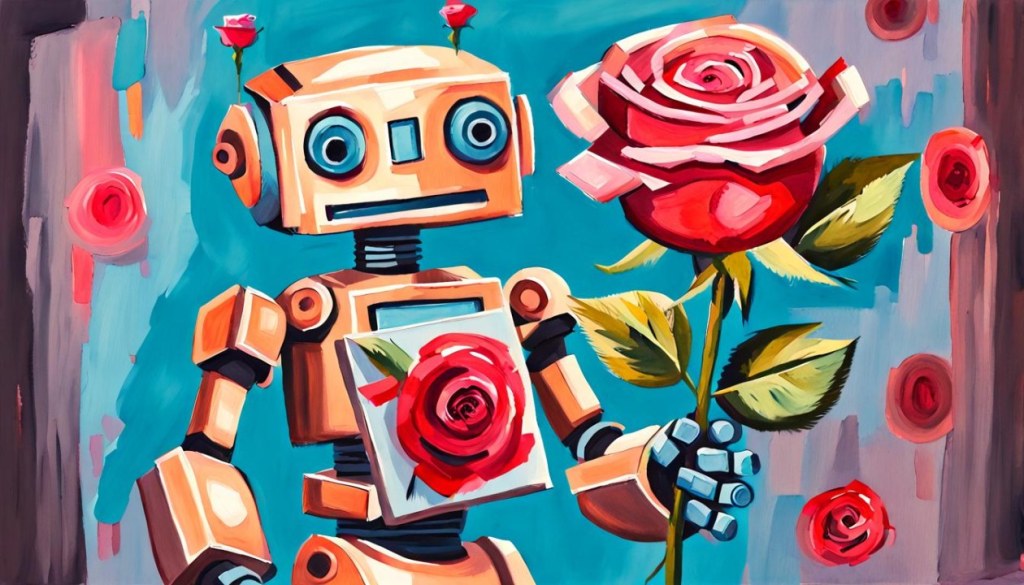
In this madly changing world, Artificial intelligence has essentially become our North Star, guiding us toward unprecedented horizons. From its nascent stages, where it merely mimicked rudimentary human tasks, AI has evolved, much like a mariner refining his skills, into a sophisticated entity capable of deep thought and intricate analysis. Yet, as we sailed these technological waters, a new beacon emerged on the horizon: Emotional AI.
Emotional AI, or affective computing, is not just another port in the AI journey; it represents a deeper, more profound exploration into the very essence of human experience. Imagine, if you will, a machine not just processing data, but also discerning the subtle nuances of human emotion. It’s akin to a seasoned sailor not just navigating by the stars, but also reading the moods of the sea, the whispers of the wind, and the silent tales of the distant shores.
The implications of such a technological leap are profound. For in understanding and responding to our emotions, these machines are not merely tools; they become companions, advisors, even confidants. The significance of this cannot be overstated. In a world where human connection is increasingly mediated by screens and algorithms, the emergence of machines that can truly “feel” our emotions promises a future where technology enhances, rather than diminishes, our shared human experience.
Yet, as we embark on this exploration of sentient machines, we must also be wary of the depths and currents that lie beneath. For with great power comes great responsibility, and the journey into the heart of Emotional AI is as much an exploration of our own humanity as it is of technological prowess.
Emotional AI: The Nexus of Emotion and Technology
Emotional AI, also known as affective computing, is a burgeoning field within artificial intelligence that seeks to endow machines with the ability to recognize, interpret, and respond to human emotions. At its core, this technology aims to bridge the gap between human emotional intelligence and machine processing, creating a more intuitive and empathetic interaction between humans and machines.
The rapid development and sophistication of Emotional AI can be attributed to three primary technological advancements:
Machine Learning (ML): Machine learning provides the foundational algorithms that allow systems to learn from and make decisions based on data. In the context of Emotional AI, ML algorithms are trained on vast datasets of human emotional responses, enabling them to predict and understand emotional states from various inputs like facial expressions, voice tones, and physiological signals.
Deep Learning: A subset of machine learning, deep learning involves neural networks with many layers (hence “deep”). These networks can process vast amounts of data, making them particularly adept at tasks like image and speech recognition. For Emotional AI, deep learning models can discern subtle emotional cues from complex datasets, such as detecting micro-expressions in a person’s face or the nuanced inflections in their voice that might indicate their emotional state.
Natural Language Processing (NLP): NLP is the technology behind a machine’s ability to understand, interpret, and generate human language. In Emotional AI, NLP plays a crucial role in understanding the emotional context behind the words people use, allowing machines to respond in emotionally appropriate ways.
The integration of emotion-sensing capabilities into technology has profound implications. For instance, consider a therapeutic chatbot that can detect when a user is feeling down and offer comforting words, or a car that can sense a driver’s stress levels and adjust the driving experience accordingly. These applications underscore the potential of Emotional AI to revolutionize our interaction with technology, making it more human-centric.
However, with these advancements come challenges. The ethical considerations of machines understanding and potentially manipulating human emotions are vast. There’s also the risk of biases in the datasets used to train these systems, leading to skewed or inaccurate emotional interpretations.
In a recent news article from Reuters, it was highlighted that companies are increasingly investing in Emotional AI to improve customer service. The article cited examples of businesses using this technology to gauge customer satisfaction in real-time, allowing them to address concerns immediately. This real-world application underscores the potential of Emotional AI in transforming business operations and enhancing user experience.
Emotional AI stands at the intersection of technology and human emotion, promising a future where machines understand and cater to our emotional needs. As with any technological advancement, it’s imperative to approach its development and application with caution, ensuring that it serves humanity’s best interests.
The Tapestry of Emotion: Weaving Emotional AI into Industry Fabrics
As we stand on the cusp of a new era in technological advancement, Emotional AI emerges not as a mere tool, but as an artisan, meticulously weaving the threads of human emotion into the vast tapestry of industries. From the vibrant hues of marketing campaigns to the intricate patterns of healthcare diagnostics and the captivating narratives of entertainment, Emotional AI is set to redefine the very fabric of how industries operate and interact with their audiences. This section delves into the myriad ways in which Emotional AI is being seamlessly integrated across various sectors, highlighting its transformative potential and the nuanced tapestries it promises to create.
Marketing: The Emotional Resonance of AI
In the vast landscape of marketing, where brands constantly vie for consumer attention, Emotional AI emerges as a beacon, illuminating the path to deeper consumer engagement. It’s not just about presenting a product or service anymore; it’s about resonating with the very emotions that drive consumer behavior.
At the heart of any successful marketing campaign lies a deep understanding of the target audience. Emotional AI, with its ability to decode facial expressions, analyze voice patterns, and monitor eye movements, offers an unprecedented insight into consumers’ real-time emotional reactions. As highlighted by MIT Sloan, machines are now equipped to recognize subtle emotional cues, such as micro-expressions on a person’s face or nuanced voice inflections, often faster than humans themselves. This capability allows marketers to gauge the immediate impact of their advertisements, moving beyond traditional feedback mechanisms like surveys or focus groups.
Emotion AI’s real power lies in its ability to adapt. By capturing visceral, subconscious reactions, brands can fine-tune their campaigns to resonate more deeply with their audience. Affectiva, an emotion AI company based in Boston, specializes in this very domain. As reported by MIT Sloan, Affectiva’s technology captures consumers’ reactions while watching advertisements, providing moment-by-moment feedback. This granular insight allows marketers to discern whether an ad resonated, was confusing, or struck an emotional chord, enabling them to tailor their strategies more effectively.
A prime example of a brand harnessing the power of Emotional AI is Affectiva. Catering to 25 percent of the Fortune 500 companies, Affectiva’s technology captures consumers’ emotional reactions in real-time, offering invaluable insights into their subconscious responses. This technology, when used ethically and with consumer consent, has the potential to revolutionize advertising research. Another notable mention is Cogito, which aids call center agents in identifying customer moods over the phone, allowing for real-time adjustments in conversation tactics.
In the words of Andrew McStay, author of ‘Emotional AI: The Rise of Empathic Media’, the future of digital advertising lies in creating deeply personalized ads that resonate with consumers on an emotional level. As Emotional AI continues to evolve, it promises to usher in an era of marketing that is not only more effective but also more empathetic, bridging the gap between brands and their audiences.
The integration of Emotional AI into marketing is not just a technological advancement; it’s a paradigm shift. As brands continue to explore this frontier, the potential for deeper, more meaningful connections with consumers awaits.
Healthcare: Emotional AI’s Compassionate Touch
In the intricate dance of healthcare, where the well-being of individuals hangs in the balance, Emotional AI is emerging as a compassionate partner, guiding clinicians and caregivers with newfound insights into the emotional states of patients.
The realm of healthcare has always been deeply intertwined with emotions. Patients’ emotional states can significantly influence their overall health and recovery. Emotional AI, with its ability to discern subtle emotional cues, offers a promising avenue for monitoring patients’ emotional well-being. As highlighted by Forbes, technologies like those developed by LUCID can detect human emotions, providing invaluable insights, especially in mental healthcare. Such technologies can be particularly impactful in monitoring resilience in conditions such as cancer, where the holistic and integrative care approach is gaining traction.
Emotion AI’s potential in diagnostics, especially in mental healthcare, is profound. By detecting subtle changes in a patient’s emotional state, Emotional AI can aid in the early detection of mental health issues. For instance, technologies that monitor facial expressions, speech cues, or behavior can predict a person’s emotional state with a level of competency that rivals or even surpasses human caregivers. This capability can be especially beneficial for populations like those living with dementia, who may struggle to understand or communicate their emotional states.
The true potential of Emotional AI in healthcare lies in its ability to offer personalized care. By understanding a patient’s emotional state, healthcare providers can tailor treatments and therapies to better suit individual needs. A poignant example is LUCID’s use of Emotional AI to curate personalized music to help alleviate the psychological symptoms of dementia. Such applications not only enhance the quality of care but also provide respite for caregivers, who often grapple with the challenges of discerning the emotional states of those under their care.
In a recent article from IEEE Spectrum, the application of Emotional AI in healthcare, especially in the field of autism, was explored. Pioneers like Rosalind Picard from MIT have been instrumental in designing tools that display emotional cues, aiding children with autism in interpreting the facial reactions of those around them. Such innovations underscore the transformative potential of Emotional AI in enhancing patient care and improving health outcomes.
The integration of Emotional AI into healthcare is not just about technology; it’s about understanding and catering to the emotional needs of patients. As we continue to explore its applications, it’s imperative to approach its development with empathy and caution, ensuring that it truly benefits those it seeks to serve.
Entertainment: The Symphony of Emotion and AI
In the realm of entertainment, where stories are crafted to evoke a myriad of emotions, Emotional AI is poised to play the role of a maestro, orchestrating experiences that resonate deeply with audiences.
The entertainment industry thrives on engagement, and what better way to captivate audiences than by tailoring content to their emotional states? As highlighted by MorphCast, emotion recognition software can analyze facial expressions, tone of voice, and body language to gauge how viewers feel about a particular piece of content. This real-time feedback allows creators to adapt their content, ensuring it strikes the right emotional chord.
Interactive storytelling is a prime example of Emotional AI’s potential in entertainment. By responding to the audience’s feelings, stories can be modified in real-time. For instance, if a user feels sad, the narrative could shift to a more uplifting tone, and if excitement is detected, the plot could introduce more thrilling elements. This dynamic storytelling approach promises a more immersive experience for users, as highlighted by MorphCast’s insights.
The integration of Emotional AI in entertainment is not just a futuristic concept; it’s already a reality. The MIT Media Lab, in collaboration with McKinsey & Company, has been at the forefront of this innovation. They’ve trained a deep neural network to watch thousands of video slices, from movies to TV shows, constructing an emotional arc. This technology aims to identify elements that make moments emotionally special, enhancing the overall viewing experience. Another notable example is the 2022 film “Everything Everywhere All at Once,” which leveraged generative AI in its production, as mentioned in the MIT Sloan Review.
The fusion of Emotional AI with entertainment promises a revolution in how we consume content. As we stand at this intersection of technology and emotion, the entertainment industry is set to offer experiences that are not just watched or played but deeply felt.
Customer Service: Emotional AI’s Empathetic Ear
In the bustling corridors of customer service, where every interaction can make or break a brand’s reputation, Emotional AI is emerging as an empathetic ear, tuning into the subtle nuances of customer emotions and crafting responses that resonate.
Traditional methods of gauging customer satisfaction, such as surveys or feedback forms, often miss the mark in capturing the full spectrum of human emotions. Emotional AI, with its ability to analyze facial expressions, voice tone, and even text, offers a more holistic approach. As highlighted by the Harvard Business Review, AI can help companies harness the valuable data from open-ended comments in surveys, revealing customers’ true thoughts and feelings. This real-time emotional feedback provides businesses with a clearer picture of customer sentiments, allowing them to address concerns promptly and effectively.
The power of Emotional AI in customer service lies in its ability to tailor responses based on the detected emotions. For instance, an agitated customer might be routed to a seasoned agent trained to handle complex issues, while a delighted customer might receive personalized offers to enhance their experience. Companies like Behavioral Signals and Cogito leverage emotion AI to analyze speech elements, ensuring that service agents and customers are matched optimally, leading to more fruitful interactions.
The integration of Emotional AI into customer service is not just about addressing immediate concerns; it’s about enhancing the overall customer journey. By understanding and responding to customers’ emotional states, businesses can craft experiences that are not only satisfactory but also memorable. For instance, the use of emotion AI in call centers can provide real-time feedback on how a conversation is progressing, allowing agents to adjust their approach on the fly. Such innovations promise a future where customer service is not just efficient but also deeply empathetic.
In a recent article from Gartner, the potential uses of emotion AI technology in various sectors, including customer service, were explored. The article mentions the rise of humanoid robots in customer service roles and the integration of emotion recognition in personal assistant robots for more human-like interactions. Furthermore, the increasing adoption of emotion AI in call centers, virtual personal assistants, and smart devices underscores its transformative potential in enhancing customer interactions.
The integration of Emotional AI into customer service is a testament to the evolving landscape of customer interactions. As businesses continue to harness its potential, the promise of a more empathetic and responsive customer service experience beckons.
The Ethical Implications of Emotional AI: Manipulation, Privacy, and Emotional Access
In an era where technology is seamlessly integrated into our daily lives, the rise of emotional AI—systems designed to detect, interpret, and respond to human emotions—has opened a Pandora’s box of ethical dilemmas. From the subtle nudges in advertising to the vast reservoirs of personal data, the implications are profound and demand our attention.
Imagine walking into a store, and the digital billboard changes its display based on your mood, showing products that align with your current emotional state. This isn’t a scene from a futuristic movie; it’s a reality made possible by emotional AI. The BBC reported on a technology that analyzes facial expressions to tailor advertisements to individuals, a clear testament to the lengths the advertising industry is willing to go to capture consumer attention1. But at what cost?
The potential for manipulation is immense. By tapping into our emotional responses, advertisers can craft messages that resonate more deeply, making products or services seem more appealing. While this might sound like a marketer’s dream, it raises serious ethical questions. Are consumers genuinely making choices based on their needs and desires, or are they being subtly coerced by algorithms that understand their emotional vulnerabilities better than they do?
With the integration of emotional AI in various platforms, there’s an elephant in the room: data collection and storage. Every smirk, frown, or tear can be recorded, analyzed, and stored. This vast amount of personal data, when combined with other information, paints a detailed portrait of an individual—more intimate than one might ever share with even close friends.
The implications are manifold. Who has access to this data? How securely is it stored? And for how long? In an age where data breaches are not uncommon, the storage of such sensitive information becomes a ticking time bomb. Moreover, the very act of continuous emotional surveillance, often without explicit user consent, is a blatant invasion of privacy. It’s akin to having a silent observer, always watching, always judging.
Perhaps the most philosophical of the concerns is the very idea of machines having access to our emotional states. Emotions, for long, have been the bastion of human experience, a realm untouched by the cold logic of machines. But with emotional AI, this final frontier is being breached.
The debate rages on. Proponents argue that such technology can lead to better user experiences, more personalized content, and even potential mental health interventions. Detractors, however, see it as a gross overreach, a step too far in the quest for technological advancement. Do we really want machines to know when we’re sad, happy, or frustrated? And more importantly, what might they do with that knowledge?
In conclusion, while the advancements in emotional AI are undoubtedly impressive, they come with a heavy baggage of ethical concerns. As we stand on the cusp of this new frontier, it is imperative for society, policymakers, and technologists to engage in a meaningful dialogue, ensuring that the technology serves humanity, rather than subverting it.
The Future of Emotional AI: Navigating the Nexus of Progress and Prudence
As we stand on the precipice of a new era in artificial intelligence, the horizon is painted with the tantalizing possibilities of Emotional AI. This technology, which once resided in the realm of science fiction, is now at our fingertips, promising to revolutionize industries and redefine human-machine interactions. But with great power comes great responsibility, and the path forward is riddled with both promise and pitfalls.
The trajectory of Emotional AI is clear: it is poised to become more sophisticated, more integrated, and more prevalent in our daily lives. According to a report from TechBullion, the juncture where artificial intelligence meets human emotions is set to reshape every facet of our experiences1. Today, we see rudimentary applications like chatbots detecting customer emotions to tailor responses. But the future holds much more. Advanced emotion detection technologies will be able to interpret nuanced emotional states, paving the way for hyper-personalized user experiences on digital platforms. This hyper-personalization will lead to enhanced user engagement, insights into customer behavior, and amplified sales and revenue.
While industries like marketing, healthcare, and entertainment are already feeling the ripples of Emotional AI, there are uncharted territories that this technology might venture into. For instance, the realm of security could benefit from emotion detection, potentially averting violent incidents or unmasking deception. Moreover, the convergence of AI with internet technologies will lead to smarter, more efficient customer experiences, with emotion detection playing a pivotal role.
However, as we hurtle towards this AI-driven future, it’s crucial to strike a balance between technological advancement and ethical considerations. The manipulative potential of AI, especially in areas like advertising, cannot be ignored. As highlighted by an article on MSN, there’s a risk of humans attributing human-like qualities to AI, which could be exploited to manipulate human behavior. Furthermore, the continuous surveillance of emotional states raises significant privacy concerns. The debate is not just about what we can achieve with Emotional AI, but what we should achieve.
In conclusion, the future of Emotional AI is undeniably bright, but it’s imperative to navigate this path with caution. As we integrate this technology into our lives, we must ensure that it serves as a tool for enhancement, not exploitation.
Recent Developments and News: Emotional AI’s Expanding Horizons
In the ever-evolving landscape of technology, Emotional AI has emerged as a focal point of interest, drawing attention from both budding startups and established tech behemoths. As the world grapples with the implications and applications of this groundbreaking technology, the news cycle is abuzz with developments, investments, and debates surrounding Emotional AI. Let’s delve into some of the recent highlights:
Google’s Foray into Emotional Support
In a significant move, Google DeepMind, the tech titan’s AI arm, has embarked on a project to provide users with AI-driven life coaching and emotional support. This initiative underscores the potential of Emotional AI to serve as a companion, offering guidance and solace in times of need.
Audi’s Emotion-Driven Campaign
Audi Canada’s recent ad campaign for their electric Q8 Sportback e-tron took an innovative approach by integrating Emotional AI. The campaign, titled ‘Feel the art of Audi’, featured supermodel Coca Rocha adorned with biometric sensors, capturing her emotional reactions as she experienced the Q8. This biometric data was then processed by an AI model, translating Rocha’s emotions into vivid visual imagery, creating a unique blend of art and technology.
Investments and Startups: A Flourishing Ecosystem
The surge in interest around Emotional AI has led to significant investments from both startups and tech giants. While established companies like Google are making strides in this domain, numerous startups are also exploring novel applications, indicating a vibrant and competitive ecosystem.
Ongoing Debates: The Tech Community Weighs In
The integration of Emotional AI into various facets of our lives has sparked intense debates within the tech community. Questions about the ethical implications, data privacy, and the very essence of human emotions being deciphered by machines are being hotly debated. These discussions are crucial as they will shape the trajectory of Emotional AI’s development and integration into society.
In conclusion, the realm of Emotional AI is bustling with activity, from groundbreaking applications to philosophical debates. As we continue to explore this frontier, it’s essential to stay informed and engaged, ensuring that the technology evolves in a manner that benefits humanity while respecting our core values.
Navigating the Emotional AI Odyssey: A Final Reflection
As we conclude our exploration of Emotional AI, it’s imperative to pause and reflect on the journey we’ve undertaken. This technology, which stands at the intersection of human emotion and machine intelligence, offers a tantalizing glimpse into a future where machines not only understand our words but also our feelings.
The promise of Emotional AI is undeniable. From revolutionizing industries like marketing, healthcare, and entertainment to potentially serving as emotional companions, the applications are vast and varied. Yet, with this promise come challenges. The very idea of machines accessing, interpreting, and responding to our most intimate emotions raises profound ethical and philosophical questions. How do we ensure that this technology is used to enhance human experience rather than exploit it? How do we strike a balance between innovation and intrusion?
The importance of ethical considerations cannot be overstated. As we’ve delved into the various facets of Emotional AI, the recurring theme has been the need for responsible development and deployment. Data privacy, potential manipulation, and the broader implications of machines having a window into our emotional world are issues that demand our attention. It’s not just about what we can achieve with Emotional AI, but what we should achieve.
And so, as we stand on the cusp of this new frontier, the call to action is clear. Industries, policymakers, technologists, and society at large must come together to harness the potential of Emotional AI responsibly. It’s not just about technological advancement; it’s about advancing in a manner that respects our core human values.
In the words of the renowned physicist, Dr. Richard Feynman, “What I cannot create, I do not understand.” As we endeavor to create machines that understand our emotions, let us also strive to understand the profound implications of our creations, ensuring that they serve as a force for good in the world.
 Texploration & Strategic Patenting