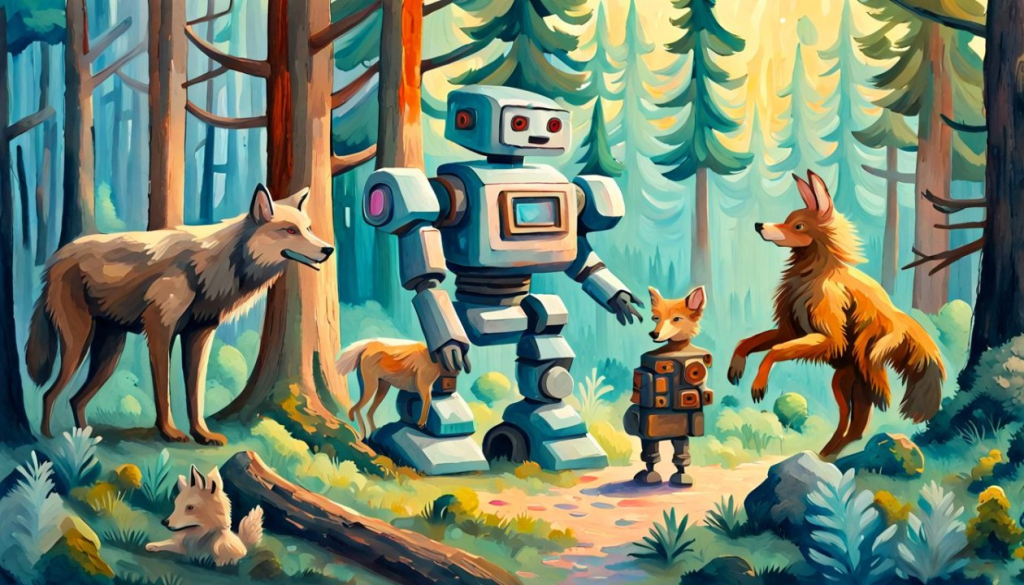
Wildlife conservation is a multifaceted endeavor that encompasses the protection, preservation, and sustainable management of the world’s biological diversity. It is a delicate dance between the needs of human civilization and the intrinsic value of nature’s myriad species and ecosystems. At its core, wildlife conservation seeks to ensure that future generations inherit a planet rich in biodiversity, where every species has a place, and the delicate balance of ecosystems is maintained.
In the face of escalating environmental challenges, the role of technology in wildlife conservation has transcended from being a mere accessory to a vital instrument. Technology’s ability to enhance our understanding, monitoring, and protection of the natural world is not just a modern convenience; it is a critical necessity. From satellite imaging that provides a bird’s-eye view of deforestation to genetic engineering that can help save endangered species, technology is expanding the horizons of what is possible in conservation.
The landscape of emerging technologies in wildlife conservation is both vast and dynamic. It includes tools such as Environmental DNA (eDNA) for non-invasive species detection, networked sensors for real-time monitoring, drones for aerial surveillance, and artificial intelligence for data analysis. These technologies are not isolated innovations; they are interconnected pieces of a larger puzzle, working synergistically to create a more comprehensive and effective approach to conservation.
This article embarks on an exploratory journey into the technological frontiers of wildlife conservation. It aims to shed light on the innovative tools and methodologies that are not only enhancing our ability to protect the natural world but are also redefining the very essence of conservation practice. The scope of this exploration extends beyond mere descriptions, delving into the practical applications, ethical considerations, challenges, and future prospects of these technologies. It is an invitation to engage with a subject that is both timely and timeless, reflecting our collective responsibility and potential to steward the Earth’s precious wildlife.
In conclusion, the convergence of technology and wildlife conservation is a testament to human ingenuity and a beacon of hope for a planet under pressure. It is a narrative that weaves together the threads of science, ethics, innovation, and passion. As we navigate through the complexities of this new era, we are reminded that the fusion of technology and conservation is not just a scientific endeavor; it is a human one, imbued with the values, dreams, and aspirations that define our relationship with the natural world. It is a journey we undertake not as detached observers but as active participants, driven by the profound understanding that the fate of the wild is, inextricably, our own.
Traditional and Modern Methods of Conservation
Traditional conservation methods have long been the cornerstone of preserving nature’s intrinsic value. Rooted in the belief that nature should be protected for its own sake, traditional conservation often emphasizes the use of protected areas as the primary tool for conservation. This approach has been championed by key figures such as Michael Soulé, who argued that conservation should be distinct from humanitarianism, focusing solely on the intrinsic value of biodiversity rather than human welfare.
The traditional conservationist perspective tends to be critical of markets and economic growth as tools for conservation. The fear is that embracing markets might lead to “selling out nature” by neglecting species considered to be of little economic value. Moreover, economic growth itself is often seen as a major driver of threats to biodiversity. This perspective is well-articulated in works like Douglas J. McCauley’s “Selling out on Nature” and the collective writings in “Keeping the Wild: Against the Domestication of Earth.”
In practice, traditional conservation methods have led to the establishment of numerous national parks, wildlife reserves, and protected areas around the world. These sanctuaries have played a crucial role in preserving endangered species, maintaining ecological balance, and safeguarding natural landscapes. The success of traditional conservation is evident in the recovery of species like the American bison and the protection of iconic places like Yellowstone National Park.
Modern conservation methods, often referred to as “new conservation,” represent a paradigm shift towards viewing conservation as a means to improve human well-being, especially that of the poor, rather than solely for biodiversity’s sake. This approach believes in win-win situations where people can benefit from conservation by promoting economic growth and partnering with corporations.
New conservationists often criticize traditional approaches that mainly focus on protected areas. They argue for a more pragmatic strategy that emphasizes nature’s instrumental value to people, as this can better promote support for conservation. This perspective is well-articulated in works like Peter Kareiva and Michelle Marvier’s “What Is Conservation Science?” and the movement known as “Conservation in the Anthropocene.”
Modern conservation leverages technology and market-based approaches to achieve its goals. From satellite monitoring and GIS mapping to DNA barcoding and artificial intelligence, modern tools are being used to track wildlife, assess habitat health, and predict environmental changes. Market-based strategies like ecotourism and “willingness to pay” approaches are generating revenue to fund conservation efforts.
Comparing traditional and modern conservation methods reveals a complex landscape of ideologies and practices. While traditional conservation emphasizes the intrinsic value of nature and often relies on protected areas, modern conservation seeks to align conservation with human welfare and economic growth.
The efficiency of modern technological solutions is evident in their ability to gather vast amounts of data, predict trends, and implement targeted interventions. However, this efficiency may come at the cost of overlooking the intrinsic value of nature, potentially leading to compromises that could harm biodiversity in the long run.
On the other hand, traditional conservation’s effectiveness in preserving biodiversity’s intrinsic value may sometimes conflict with human needs and economic development. This approach may also lack the agility and adaptability offered by modern technological solutions.
The debate between traditional and modern conservation is not merely a binary choice. Many conservationists hold different combinations of views, and there is a growing recognition that a harmonious path may lie in integrating the strengths of both approaches. Embracing the ethical foundations of traditional conservation while leveraging the technological advancements of modern methods may offer a more nuanced and effective way to address the multifaceted challenges of conservation in the 21st century.
In conclusion, the conservation landscape is enriched by the diversity of thought and practice represented by both traditional and modern methods. The thoughtful integration of these approaches, guided by a clear understanding of their underlying philosophies and practical applications, may hold the key to a sustainable future where both nature and humanity thrive.
In-Depth Exploration of Emerging Technologies
In the ever-evolving landscape of wildlife conservation, the emergence of new technologies is not merely a trend but a transformative force reshaping the very fabric of how we understand and interact with the natural world. From the microscopic analysis of genetic material to the global reach of satellite imaging, these technologies are unlocking unprecedented insights and capabilities. This section delves into an in-depth exploration of emerging technologies, unraveling their intricate designs, profound implications, and the innovative ways they are being harnessed to conserve our planet’s precious biodiversity. It is a journey into the frontier of scientific discovery, where the fusion of technology and conservation is forging a new path, one that holds the promise of a more enlightened and sustainable coexistence with the wild.
Unraveling the Potential of Environmental DNA (eDNA)
Environmental DNA, or eDNA, is a revolutionary tool in the field of conservation biology, offering a novel approach to biodiversity monitoring. This technique relies on the genetic material shed by organisms into their environment. As organisms move through their habitats, they leave behind traces of DNA in the form of skin cells, feces, or mucus. By analyzing these traces, scientists can identify the species present in a particular ecosystem, even if the organisms themselves are not directly observed.
The process of eDNA analysis begins with the collection of environmental samples, such as soil, water, or air. These samples are then frozen to preserve the DNA, which is later extracted and sequenced in a laboratory. The resulting DNA sequences, or Operational Taxonomic Units (OTUs), are used to identify the types of organisms present in the samples.
The use of eDNA in biodiversity monitoring has several advantages over traditional methods. It allows for a more comprehensive and accurate assessment of species diversity, including the detection of rare and elusive species. Moreover, eDNA can provide information about a wide range of organisms, from large mammals to microscopic invertebrates and microorganisms, many of which are often overlooked in traditional surveys.
For instance, the World Wildlife Fund (WWF) has been using eDNA to monitor species within their habitats. They have successfully applied eDNA techniques to study the ecology and biodiversity of various geographic areas, determining the species present in a given habitat through the eDNA traces left behind.
Several case studies highlight the transformative impact of eDNA on wildlife conservation. In the Mekong River, WWF used eDNA to catalogue aquatic biodiversity and confirm the presence of rare and threatened species like the giant catfish and the Irrawaddy dolphin. Similarly, in the Amazonian forest of Peru and in British Columbia, Canada, eDNA from water samples was used to catalogue terrestrial mammal diversity.
In another innovative application, WWF is testing a new method to study polar bear populations by analyzing eDNA from polar bear tracks in the snow. This non-invasive technique could allow scientists to identify individual polar bears from afar and better understand polar bear subpopulations.
The use of eDNA is not without challenges, and it is not intended to replace traditional surveys. However, as technology advances and DNA reference libraries become more complete, eDNA studies are expected to play an increasingly important role in biodiversity monitoring and conservation.
In conclusion, eDNA represents a powerful tool in the conservationist’s arsenal, offering a more comprehensive, efficient, and non-invasive way to monitor biodiversity. As we continue to refine these techniques and expand their applications, we can look forward to a future where we can monitor and protect our planet’s biodiversity with unprecedented precision.
Networked Sensors: A New Horizon in Wildlife Conservation
Networked sensors represent a technological advancement that is transforming wildlife conservation. These sensors are designed to connect online, providing a comprehensive picture of animal behavior and offering instant alerts about potential threats. They can track a wide range of information, including animal movement, human intrusions, and environmental conditions. The sensors are often autonomous, running on solar power, and connected to a secure private network within a protected area.
The operation of networked sensors involves deploying various types of sensors, such as gate sensors, alarm systems, animal, vehicle, and people trackers. These sensors consume minimal energy and are capable of detecting human activities that may threaten wildlife, such as poaching, or animal breakouts that could lead to human-wildlife conflicts.
Networked sensors have found significant applications in monitoring and tracking within wildlife conservation. They enable conservationists to obtain real-time data, which can be crucial for operational decisions related to park management, wildlife conservation, and local community protection.
Organizations like Smart Parks have been at the forefront of utilizing networked sensors to optimize protected area monitoring and management. By providing low-power, long-range connectivity in areas typically devoid of internet or cellphone coverage, they have created a system that can support anti-poaching efforts and preempt human-wildlife conflicts.
The data collected through networked sensors is made available in or near real-time through web applications. This immediate access to information enhances the effectiveness of conservation efforts, ensuring the safety of both wildlife and human populations within and around protected areas.
The real-world implementations of networked sensors are diverse and impactful. In Smart Park Liwonde, Malawi, GPS rhino trackers have been installed to monitor rhino movements and protect them from potential threats. Similarly, the technology has been deployed in various protected areas globally, contributing to the conservation of endangered species like orangutans, rhinos, and elephants.
FieldKit and the Arribada Initiative are other examples of organizations working to make networked sensor technology more accessible by developing low-cost, open-source sensor systems. These initiatives are democratizing access to advanced monitoring tools, allowing more communities and conservationists to benefit from this technology.
Networked sensors are proving to be a game-changer in wildlife conservation. By offering a more nuanced and immediate understanding of animal behavior and environmental conditions, they are enhancing the ability to protect and preserve our planet’s precious biodiversity. As technology continues to evolve, the potential applications and impact of networked sensors are bound to expand, solidifying their role as an indispensable tool in the modern conservationist’s toolkit.
Satellite Remote Sensing
Satellite remote sensing has emerged as a groundbreaking technology that has revolutionized our ability to observe and analyze the Earth’s surface. With the advent of high-resolution imaging and global positioning systems, satellite remote sensing has become an indispensable tool for various applications, ranging from environmental monitoring to wildlife conservation.
Remote sensing images at high-resolution enable ecologists and conservationists to accurately observe wildlife populations, monitor illegal mining, identify activities surrounding deforestation, and detect alterations made to the environment. The images provided by Earth observation satellites are collated frequently, on a global level, and at an increasingly higher quality. This data is evolving to be more user-friendly, and the rate of occurrence of images has corroborated the applications that have been developed in relation to animal conservation and the conservation of endangered species in particular.
The integration of satellite remote sensing with geographic information systems has opened a plethora of opportunities for data compilation, assessment, assimilation, shaping, and satellite map production for wildlife monitoring and analysis. High-resolution satellite imagery assists in environmental conservation management responsibilities and the conservation of biodiversity by providing scientists and researchers with consistently up-to-date geospatial data.
Satellite technology has become an imperative participant in wildlife monitoring and the fight against poaching. Over the last ten years, solutions employing satellite technologies and data have been used to cease and prevent illegal hunting activities. In Africa alone, thousands of endangered animals are slaughtered daily, such as the mountain gorilla, the lion, the imperial zebra, or the black rhino.
In 2015, a team of scientists at the University of Maryland’s Institute for Advanced Computer Studies collected data to forecast where and when to send rangers on the ground to prevent poachers from hunting rhinos. Among the data used, GPS signals and satellite imagery obtained through the use of mounted trackers were essential in predicting the movement of both hunters and wildlife.
Marine life is consistently threatened by factors such as ocean plastic pollution, poaching, and illegal trade. Satellites can be harnessed to track ocean plastic pollution to identify debris and specific areas in which removal of this debris is essential. This application of satellite technology is vital for the conservation of species like Loggerhead turtles, which are endangered and face threats like plastic ingestion.
Satellite remote sensing has become a key player in global conservation efforts, providing invaluable insights into the dynamics of ecosystems, the behavior of wildlife, and the threats they face. From tracking the migratory patterns of endangered species to identifying illegal hunting activities, satellite technology is at the forefront of a new frontier in conservation.
For example, the satellite project established by the Wildlife Institute of India and other organizations in 2015 to protect the Amur Falcon has demonstrated triumphant results, turning the species from being mass hunted to becoming the flagship species for animal conservation in a single year.
Climate change is one of the many aspects that has an influence on species, in which satellite applications offer valuable observation services. Through the use of satellite technology, the Earth’s temperature, sea level rise, atmospheric gases, and greenhouse gas emissions can all be measured. These factors are imperative to the awareness and improvement of conditions brought about by climate change, and the prediction of Earth’s future.
The integration of satellite remote sensing into environmental analysis and global conservation efforts represents a significant advancement in our ability to understand and protect the natural world. From tracking endangered species to monitoring climate change, satellite technology offers a comprehensive and dynamic approach to conservation. Its applications are diverse, its impact profound, and its potential for future innovations is boundless. The continued development and utilization of this technology will undoubtedly play a crucial role in shaping the future of global conservation, ensuring that we can preserve and protect our planet’s precious biodiversity for generations to come.
Harnessing the Power of AI: Facial Recognition and Computer Vision in Wildlife Conservation
Artificial Intelligence has been a game-changer in many fields, and wildlife conservation is no exception. The advent of AI-powered recognition technologies, such as facial recognition and computer vision, has revolutionized the way we monitor and protect biodiversity.
Facial recognition and computer vision are subsets of AI that focus on the identification and processing of visual data. Facial recognition, as the name suggests, is a technology capable of identifying or verifying a person or animal by comparing and analyzing patterns based on the subject’s facial contours. On the other hand, computer vision is a broader field that enables computers to ‘see’ and interpret digital images or videos.
These technologies have found a unique application in the field of wildlife conservation. They are being used to identify individual animals, track their movements, and even predict their behaviors, providing invaluable data to conservationists. For instance, researchers at Washington State University have used AI to track and monitor deer populations, thereby aiding in the development of more effective conservation strategies.
One of the most significant applications of AI-powered recognition in wildlife conservation is in species identification and monitoring. Traditional methods of tracking animals, such as tagging or physical observation, can be invasive and time-consuming. AI, on the other hand, offers a non-invasive and efficient alternative.
A prime example of this is the work being done by the Translational Data Analytics Institute (TDAI) at Ohio State University. They have pioneered a field of study called ‘imageomics’, which uses machine learning to extract biological data from photos and videos of living organisms. Using an open-source platform called Wildbook, the team has been able to analyze crowdsourced images to identify biological traits that humans may naturally miss, such as the curvature of a fish’s fin or a leopard’s spots.
The impact of AI-powered recognition in wildlife conservation is already evident in several success stories. For instance, the Wildbook platform was used to analyze 11,000 images of whale sharks, which helped researchers identify individual sharks and track their movement. This new data led to an update in the conservation status of the whale shark from ‘vulnerable’ to ‘endangered’ in 2016.
Moreover, AI-powered recognition technologies have proven to be more accurate than humans in identifying certain species. Algorithms using facial recognition for primates and cats have shown an accuracy rate of about 90%, compared to humans’ 42%.
In conclusion, the integration of AI-powered recognition technologies like facial recognition and computer vision in wildlife conservation is not just a technological advancement, but a beacon of hope for the preservation of our planet’s biodiversity. As these technologies continue to evolve and improve, they promise to bring about even more significant strides in our efforts to protect and conserve wildlife.
Drones: A Soaring Innovation in Wildlife Conservation
The advent of drone technology has revolutionized various fields, and wildlife conservation is no exception. Unmanned Aerial Vehicles (UAVs), commonly known as drones, have transcended their initial association with military and recreational use, becoming a vital tool in the conservationist’s arsenal.
The Nature Conservancy in Colorado, for instance, has been at the forefront of integrating drones into conservation efforts. Since acquiring their first drone in 2015, they have utilized this technology in diverse ways to enhance land, water, and forest conservation. Drones have been deployed to capture “before and after” images of prescribed fires, monitor safety during burns, inventory land in inaccessible areas, and even track bison when the landscape prevented staff from reaching their location.
The applications of drones in conservation are vast and multifaceted. They have been instrumental in tracking animals, identifying healthy versus sick trees through infrared cameras, and creating data layers for mapping and analysis. The precision and efficiency of drones have made them an indispensable tool in monitoring and surveillance.
In Colorado, drones have been used to assist with conservation easement monitoring and tracking wildlife in their environment. The technology’s availability and the significant drop in costs have made it an opportune time to incorporate drones into conservation work worldwide.
The real-world impact of drones in conservation is profound. In Colorado, drones have been essential in tracking bison and identifying healthy versus sick Cottonwood trees. The Nature Conservancy’s Gustavo Lozada, a leader in drone technology, emphasizes that this is just the “tip of the iceberg” for what drones can accomplish in conservation.
The Colorado chapter plans to expand its work with drones through partnerships with companies like Agribotix, a precision agriculture company that has agreed to donate drone use for conservation work in Colorado. Such collaborations signify the growing recognition of drones as a cutting-edge tool for conservation, with potential applications that are only beginning to be explored.
Drones have emerged as a powerful technology in the realm of wildlife conservation. Their versatility, precision, and cost-effectiveness have made them an essential tool for modern conservationists. From monitoring and surveillance to innovative applications like health analysis of trees and tracking wildlife, drones are reshaping the way conservation efforts are conducted. The case studies and real-world implementations underscore the transformative potential of drones, heralding a new era in wildlife conservation where technology and nature work in harmony.
Genomic Studies
In the age of information, genomics stands as a beacon of innovation and insight. The study of genomes, the complete set of genes within an organism, has transcended mere scientific curiosity to become a vital tool in understanding the very fabric of life. Genomics offers a panoramic view of the biological landscape, enabling researchers to map, sequence, and analyze the genetic material of organisms.
The advent of genomics has revolutionized the way we approach biological problems. From the early days of genome analysis limited to model organisms, we now have the ability to sequence the genomes of thousands of organisms, including plants, invertebrates, and vertebrates. This has opened doors to investigate population structure, genetic variations, and recent demographic events in threatened species.
The application of genomics in conservation biology is particularly noteworthy. Advanced genomics helps in identifying the segments of the genome responsible for adaptation, improving our understanding of microevolution, and developing modern and fast monitoring tools for endangered biodiversity. The role of genomics in species conservation is multifaceted, encompassing demographic analysis, adaptive genetic variations, inbreeding, hybridization, and disease susceptibilities.
The current era of industrialization and pollution has created a dire scenario for biota survival. With species extinction rates skyrocketing, the need for effective conservation measures has never been more urgent. Genomics has emerged as a crucial ally in this battle, providing insights and tools that were previously unimaginable.
The applications of genomics in species conservation are vast and varied. By identifying genes essential for fitness, genomics aids in the development of monitoring tools for endangered biodiversity. It offers insights into demographic parameters, phylogenetic issues, and the molecular basis for inbreeding. Furthermore, genomics can detect hybridization and introgression in organisms, providing vital information for conservation management.
One remarkable example is the application of genomics in the conservation of threatened biota, focusing on demographic, adaptive genetic variations, inbreeding, hybridization, and disease susceptibilities. Techniques such as genome-wide association studies (GWAS), quantitative trait loci (QTL) analysis, and population genetics are being employed to identify conservation units for recovery, management, and protection.
The future of genomics is a landscape rich with potential and promise. As technology advances, the feasibility of conservation genomics will continue to improve, offering even more precise and effective tools for the protection of endangered species.
The future prospects of genomics in conservation are not confined to mere technological advancements. They extend to a deeper understanding of the mechanisms that relate low fitness to low genetic variation, integrating genetic and environmental methodologies to conservation biology, and designing faster monitoring tools.
Moreover, the future may see the application of genomics in identifying disease susceptibilities, understanding the long-term effects of infectious diseases on genomes, and pinpointing new molecular targets for disease control. The potential for genomics to contribute to the sustainability and stability of species under adverse conditions is immense.
In conclusion, genomics stands as a testament to human ingenuity and the relentless pursuit of knowledge. Its applications in species conservation are a beacon of hope in a world grappling with the loss of biodiversity. As we navigate the genomic frontier, we are not merely unraveling the mysteries of life; we are crafting a vision for a future where every species has a fighting chance to thrive. The promise of agriculture genomics, the role of genomics in understanding adaptive genetic variations, and the potential to prevent endangered species’ extinction are just the beginning. The future is a canvas, and genomics holds the brush, ready to paint a picture of life in all its complexity and beauty.
Gaming and Digital Engagement: A New Frontier in Conservation Awareness
In an era where digital screens often disconnect us from the natural world, the role of gaming in conservation awareness is emerging as a paradoxical yet potent tool for reconnecting people with nature. The concept of ‘gaming for the environment’ is not merely a fanciful idea; it’s a burgeoning field that leverages the immersive power of video games to educate, engage, and even fund conservation efforts.
Definition and Methodology: The methodology behind gaming for conservation is rooted in the transformation of scientific data into interactive experiences. Environmental scientists’ data, often confined to research papers, is given a second life through gaming. By creating immersive experiences focused on environmental education, games like Wildeverse and Unseen Empire allow users to follow in the footsteps of real conservationists, making decisions and witnessing the consequences of those choices. This interactive approach not only educates players about biodiversity but also reignites our innate connection to nature.
Examples of Conservation Games: Various organizations, including the Smithsonian, Chaos Theory Games, NOAA, and the UN’s World Food Program, are stepping into this emerging market. Games like Parallel Earth allow players to adopt unique species and collect data on them. Others utilize the lucrative NFT market to enable people to buy, collect, and trade packs of NFTs, akin to Pokémon cards for conservation. Even controversial concepts like betting on migratory wildlife patterns are being explored to generate revenue for conservation.
Impact on Public Engagement: The impact of gaming on conservation awareness is multifaceted. On one hand, it provides a novel way to engage a modern audience that might be disconnected from nature. On the other hand, it opens up new avenues for funding conservation. The ethical considerations of some methods, such as exploiting gambling habits or using energy-intensive NFTs, are subjects of debate. However, the potential to create a viable revenue stream to manage ecosystems, mitigate climate change, and protect biodiversity is undeniable.
The success of gaming in driving pro-environmental behaviors is still in its early stages, but pioneers like Katie Patrick, who has worked with NASA to create engaging environmental data products, offer a glimpse into the potential future of gamification as a driver of positive behavioral change.
In conclusion, the integration of gaming into conservation awareness represents a creative and promising approach to environmental education. By transforming data into engaging experiences, connecting players with the natural world, and exploring innovative funding methods, gaming is positioning itself as a vital tool in the conservation toolkit. Whether through virtual quests or physical card games, the fusion of gaming and conservation is not just a game; it’s a serious and strategic move towards a more sustainable future. The question that remains is how these digital engagements will balance ethical considerations and effectiveness in achieving their noble goals. The answers to these questions may well shape the future of both gaming and conservation.
Challenges and Ethical Considerations in Conservation Technology
Funding and Resource Limitations
In the realm of conservation technology, the availability of funding and resources plays a pivotal role in determining the success of various initiatives. While technology offers innovative solutions to conservation challenges, the implementation of these solutions often requires significant financial investment. The acquisition of cutting-edge equipment, such as drones and satellite imaging systems, necessitates substantial funding. Moreover, the maintenance, operation, and analysis of data collected through these technologies require skilled personnel and ongoing financial support. The limitation of resources can hinder the scalability of projects, restricting them to well-funded organizations or specific regions. This leads to a disparity in the application of technology across different conservation areas, potentially leaving some critical ecosystems under-monitored and unprotected.
Accessibility and Inequality Issues
The integration of technology into conservation efforts also raises concerns about accessibility and inequality. Not all conservation organizations or regions have equal access to advanced technological tools. Developing countries, where many biodiversity hotspots are located, may lack the infrastructure and expertise needed to deploy and utilize sophisticated technologies. This inequality in access can exacerbate existing disparities in conservation efforts, leaving some areas more vulnerable to threats such as poaching, deforestation, and climate change. The article on the ethics of using drones in wildlife conservation and monitoring highlights the various applications of drones in ecology research, but also underscores the ethical implications and challenges associated with their use, including safety, privacy, psychological well-being, data security, and wildlife disturbance.
Ethical Considerations in Technology Use
The use of technology in conservation is not without ethical considerations. As detailed in the article on the ethics of utilizing drones in wildlife conservation and monitoring, the deployment of drones and other monitoring technologies raises questions about privacy, safety, psychological well-being, and wildlife disturbance.
Privacy: The use of drones for surveillance can lead to infringement of privacy, especially when monitoring human activities such as poaching. The ethical dilemma arises when information about individuals is collected without consent, potentially leading to negative repercussions.
Safety: While drones can enhance safety by replacing manned aerial surveys, concerns about mechanical failures and potential damage or injury must be addressed.
Wildlife Disturbance: The perception of drones by wildlife can lead to stress and behavioral changes, particularly in birds and herd species. Ethical drone usage requires careful consideration of potential disturbances and adherence to best practices to minimize impact.
Data Security: The collection and sharing of data through technological means must be handled with care to prevent unauthorized access and misuse.
The ethical evaluation of technology in wildlife conservation requires a systematic analysis of actions, intentions, and consequences. Transparency, adherence to regulations, and consideration of social implications are key to ethical technology usage in conservation research.
In conclusion, the integration of technology into wildlife conservation presents both opportunities and challenges. While offering innovative solutions to monitoring, tracking, and protecting biodiversity, it also raises issues related to funding, accessibility, inequality, and ethics. A balanced approach that considers both the potential benefits and the associated challenges is essential for the responsible and effective use of technology in conservation efforts. The insights gained from real-world implementations, ethical considerations, and ongoing research contribute to a nuanced understanding of the role of technology in shaping the future of conservation.
Future Directions and Opportunities in Wildlife Conservation Technology
The future of wildlife conservation is at a pivotal juncture, where the integration of cutting-edge technology, collaboration across sectors, and the involvement of both public and private entities can redefine the way we protect and preserve our planet’s biodiversity. This section delves into the potential for technological advancements, the synergy between the tech industry and conservationists, and the opportunities for public and private sector involvement in shaping a sustainable future.
Potential for Technological Advancements
The technological landscape in wildlife conservation is burgeoning with innovations that have the potential to transform traditional methods of tracking and protecting species. A recent report by WILDLABS, a conservation technology network, surveyed 248 conservationists, technologists, and academics across 37 countries, highlighting the 11 most commonly used conservation technologies, including artificial intelligence (AI), environmental DNA (eDNA), and networked sensors.
AI, for instance, is being employed to analyze vast amounts of conservation data, such as camera trap, satellite, and drone images, to improve wildlife identification and monitoring. The BearID Project is developing facial recognition software to identify and monitor brown bears, a non-invasive method that has shown an 84 percent accuracy in recognizing individual bears. Environmental DNA (eDNA) sampling, which extracts DNA from environmental samples like water or soil, offers a more efficient and cost-effective method for large-scale monitoring of terrestrial biodiversity. Networked sensors, on the other hand, provide a comprehensive picture of animal behavior and instant alerts about imminent threats, aiding monitoring and patrolling efforts.
These advancements not only reduce the time and resources required to detect wildlife but also increase the effectiveness of conservation efforts, offering a promising future for the field.
Collaboration between Tech Industry and Conservationists
The synergy between the tech industry and conservationists is a vital aspect of scaling conservation technologies. Collaboration fosters innovation, bridges gaps, and ensures that technology is tailored to the specific needs of conservation. An example of this collaboration is the partnership between Microsoft’s AI for Earth initiative and Wildbook, a cloud-based platform that uses computer vision and deep learning algorithms to identify species. Such partnerships leverage the strengths of both sectors, creating solutions that are both technologically advanced and conservation-focused.
However, challenges such as competition for limited funding, duplication of efforts, and insufficient capacity-building must be addressed to ensure that collaboration leads to sustainable solutions. The emphasis must be on building local tech capacity, especially in critical conservation hotspots, to avoid the pitfalls of “parachute science,” where temporary support from high-income countries leaves no lasting impact in developing nations.
Opportunities for Public and Private Sector Involvement
The involvement of both public and private sectors in wildlife conservation technology opens doors for new revenue streams, innovative partnerships, and a shared commitment to protecting biodiversity. Public-private partnerships, conservation bonds, or the sale of conservation-related products are some of the avenues being explored for both public and private park management.
Private sector engagement, such as the collaboration between tech companies and conservation organizations, can unlock financial resources and technological expertise. Simultaneously, public sector support ensures that conservation goals align with national and international policies, regulations, and societal needs.
The integration of public and private sectors fosters a holistic approach to conservation, where technology, funding, policy, and community engagement converge to create impactful and sustainable solutions.
The future of wildlife conservation technology is ripe with opportunities and challenges. The potential for technological advancements, collaboration between the tech industry and conservationists, and the involvement of public and private sectors paints a promising picture of what lies ahead. However, the path forward must be navigated with care, ensuring that technological innovations are inclusive, ethical, and aligned with the broader goals of conservation. By embracing the possibilities and addressing the challenges, we can forge a future where technology serves as a powerful ally in preserving the delicate balance of our planet’s ecosystems.
Conclusion: Embracing the Technological Frontier in Wildlife Conservation
As we stand at the threshold of a new era in wildlife conservation, the integration of technology into our efforts to protect and preserve the Earth’s biodiversity has never been more vital. This article has traversed the landscape of emerging technologies, from the intricacies of environmental DNA (eDNA) to the expansive reach of satellite remote sensing, the precision of facial recognition and computer vision, and the versatility of drones and networked sensors. Each of these technologies represents a piece of a complex puzzle, working in concert to redefine the way we approach conservation.
The exploration of key technologies in this article has illuminated the multifaceted nature of modern conservation efforts. Environmental DNA (eDNA) has emerged as a powerful tool for biodiversity monitoring, allowing scientists to detect species presence through genetic material in the environment. Networked sensors have revolutionized tracking and monitoring, providing real-time data and insights. Satellite remote sensing has extended our reach, enabling global environmental analysis, while facial recognition and computer vision have brought precision to species identification. Drones have added a new dimension to surveillance, and genomics has opened doors to in-depth species conservation. Gaming and digital engagement have even found a place in raising awareness and fostering public involvement.
The transformative impact of these technologies cannot be overstated. They have not only enhanced our ability to monitor and protect wildlife but have also fostered collaboration, bridged gaps between disciplines, and democratized access to vital conservation tools. The integration of technology has breathed new life into traditional methods, making them more efficient, effective, and far-reaching. It has allowed us to see the world through a new lens, one that is sharper, more nuanced, and more attuned to the delicate balance of our ecosystems.
Yet, as we marvel at the progress we have made, we must also recognize that the journey is far from over. The challenges that lie ahead are complex and multifaceted, requiring continued innovation, collaboration, and a steadfast commitment to ethical considerations. The fusion of technology and conservation is not merely a trend; it is a necessity, a call to action for all stakeholders to come together in a concerted effort to harness the power of technology for the greater good.
The private sector, public entities, conservationists, technologists, and the global community must continue to forge partnerships, invest in research and development, and cultivate a culture of innovation that transcends boundaries and breaks down barriers. Only then can we fully realize the potential of technology in wildlife conservation.
In the words of renowned conservationist Rachel Carson, “The more clearly we can focus our attention on the wonders and realities of the universe about us, the less taste we shall have for destruction.” Technology has given us the tools to see those wonders more clearly, to understand them more deeply, and to protect them more fiercely. It is our responsibility, our privilege, and our duty to embrace this technological frontier, to wield it with wisdom, compassion, and foresight, and to ensure that it serves as a beacon of hope for the generations to come. The future of wildlife conservation is in our hands, and it is a future filled with promise, possibility, and the profound potential for positive change.
 Texploration & Strategic Patenting